The rapid advancements in artificial intelligence (AI), robotics, and autonomous systems are reshaping the world as we know it. From self-driving cars and intelligent chatbots to humanoid robots and AI-driven decision-making systems, we are witnessing a shift toward a robotic and agentic world—where intelligent machines and software agents perform tasks that were once exclusive to humans. But what does this transformation mean for the next generation? Will they compete with robots for jobs, or will they coexist with AI-driven systems in a way that enhances human capabilities? This blog explores how the robotic and agentic revolution is unfolding and what it means for students, educators, professionals, and policymakers in the coming years.
1. What Does It Mean to Be in a Robotic and Agentic World?
A robotic world refers to a future where physical robots and AI-driven machines take over repetitive, hazardous, and complex tasks across industries. A world becoming agentic implies that intelligent AI agents, software programs, and automation systems make decisions, optimize workflows, and operate independently. Some examples of how robotics and AI agents are transforming our world today include:
With these advancements, the future workforce and society must adapt to a reality where AI-powered systems and robots are not just tools, but collaborators and decision-makers.
- Autonomous Vehicles – Self-driving cars powered by AI-driven decision-making.
- AI Chatbots & Virtual Assistants – Siri, Alexa, and ChatGPT handling conversations, scheduling, and tasks.
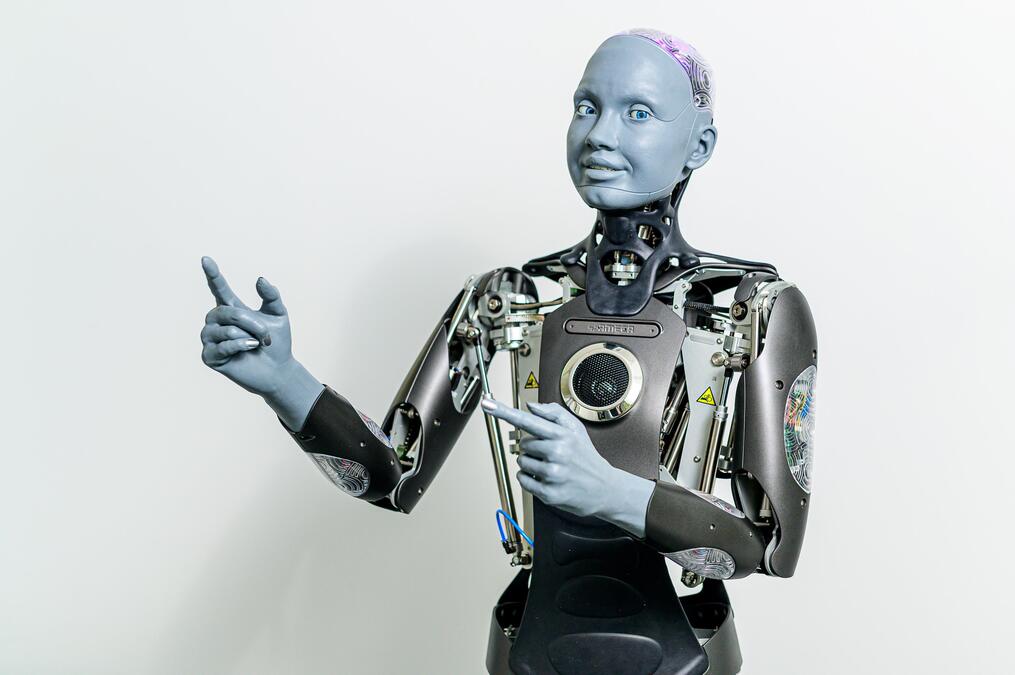
- Humanoid Robots – AI-powered teachers, healthcare assistants, and customer service representatives.
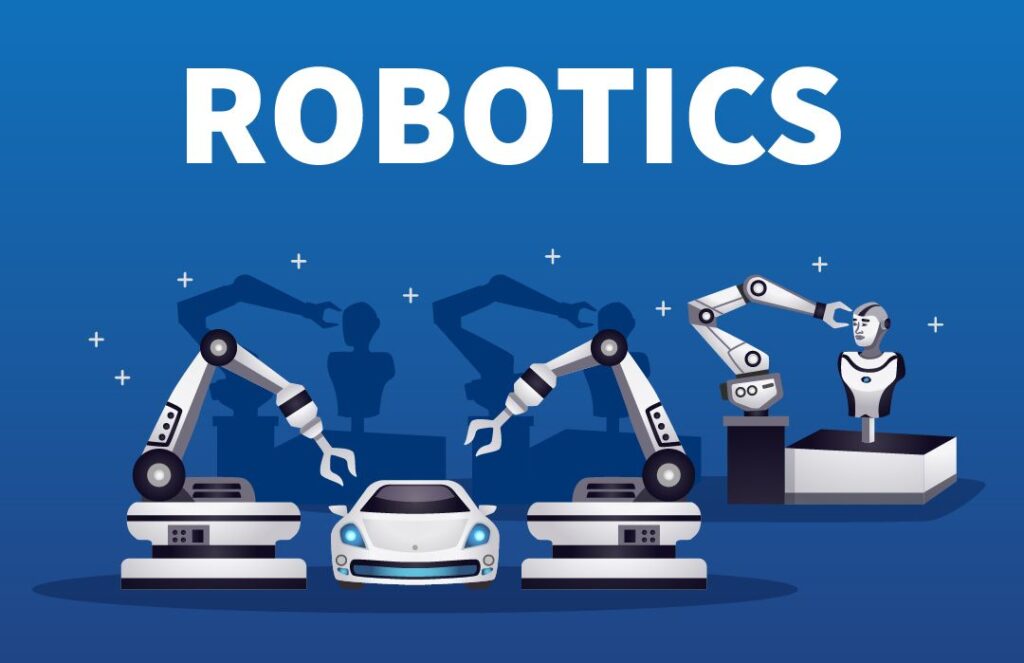
- Smart Factories – AI and robotics managing production lines with minimal human intervention.
2. The Rise of AI Agents: Replacing or Enhancing Human Work?
The biggest question about the robotic and agentic revolution is whether AI and automation will replace humans or augment human capabilities. The answer lies in how we prepare and adapt to this change.
2.1 Jobs That AI and Robots Are Replacing
Many repetitive and manual jobs are being automated, reducing human involvement in:
- Manufacturing & Warehousing – Robotics-powered assembly lines and logistics automation.
- Customer Service – AI-powered chatbots handling customer queries 24/7.
- Banking & Finance – AI-driven algorithms replacing traditional banking advisors.
- Retail & Fast Food Industry – AI-based self-checkout counters and automated kitchens.
2.2 Jobs AI and Robots Are Enhancing
Rather than eliminating human roles, AI and robotics are also enhancing various industries:
- Healthcare – AI-driven diagnostics, robotic surgeries, and patient monitoring systems.
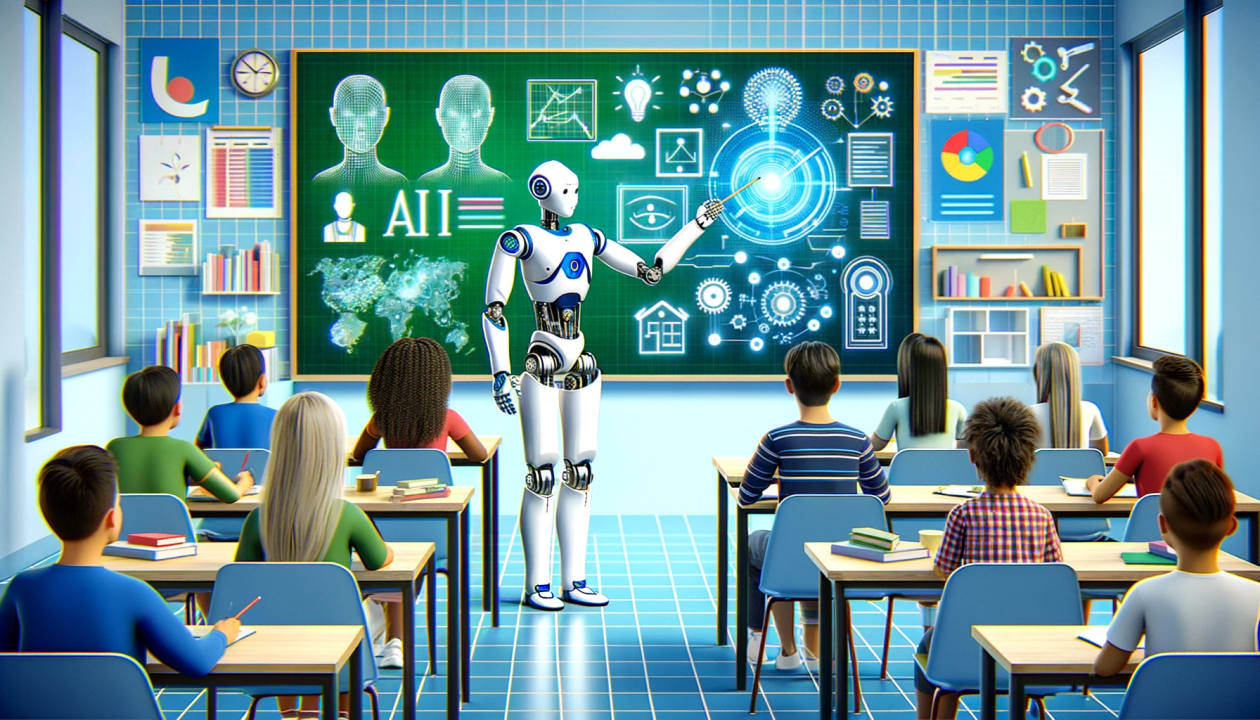
- Education – AI-powered tutors, personalized learning platforms, and humanoid teacher robots like iSMART.
- Space Exploration – AI-powered rovers and robotic explorers conducting research on Mars.
- Engineering & Research – AI-powered simulations and automation tools assisting engineers.
3. Preparing the Next Generation for a Robotic and AI-Powered World
The rise of AI and robotics demands a fundamental shift in education and skills development. The next generation must learn new competencies to thrive in this changing landscape.
3.1 The Need for STEM Education
STEM (Science, Technology, Engineering, and Mathematics) education plays a crucial role in preparing students for AI-powered careers. Schools must integrate:
- Coding and Programming – Teaching students how to develop and control AI algorithms.
- Robotics and IoT – Providing hands-on experience with intelligent machines.
- Data Science and AI Ethics – Ensuring students understand both the power and ethical concerns of AI.
3.2 Critical Thinking and Creativity in the Age of AI
In a world where AI can perform repetitive tasks, human creativity and
problem-solving become essential. Future careers will demand:
- Complex Problem-Solving – AI can analyze data, but humans will interpret and innovate.
- Interdisciplinary Knowledge – The ability to combine AI with humanities, psychology, and business.
- Soft Skills & Emotional Intelligence – AI lacks empathy, ethics, and moral reasoning, making human-centered skills crucial.
3.3 Schools Must Adapt to the AI Age
Traditional rote learning will no longer be sufficient. Schools must:
- Introduce AI-driven personalized learning tools.
- Encourage hands-on STEM experiments using robotics.
- Train teachers to collaborate with AI teaching assistants like iSMART.
4. Ethical Challenges in a Robotic and Agentic World
With great power comes great responsibility. AI and robots bring ethical concerns that must be addressed:
4.1 AI Bias and Decision-Making
AI algorithms can be biased if trained on unethical data. The next generation must
learn AI ethics to ensure fair and unbiased AI decision-making.
4.2 Privacy and Surveillance
With AI collecting data in schools, workplaces, and cities, there must be policies ensuring privacy and security in AI-driven societies.
4.3 Human-Robot Coexistence
As AI-driven humanoid robots enter schools, offices, and homes, we must ensure ethical and emotional boundaries in human-robot relationships.The next generation must be trained not just in AI development but also in responsible AI governance.
5. The Future: A Balanced Human-AI Collaboration
AI is not a threat—it is a powerful tool. The next generation’s success will depend on how well they embrace AI-driven innovations while retaining human uniqueness.
5.1 Humans and AI Working Together
The future workforce will consist of AI-human hybrid teams where:
- AI handles data analysis, while humans interpret results.
- AI automates mundane tasks, while humans focus on innovation.
- AI tutors assist teachers, while humans provide emotional and social learning.
5.2 Future Jobs in a Robotic World
Careers that will thrive in an AI-driven world include:
- AI Ethics Specialists – Managing AI transparency and regulations.
- Human-AI Collaboration Experts – Designing interfaces between humans and AI.
- Robotics Engineers & AI Developers – Building and programming intelligent systems.
- Creative Fields – Writers, artists, and designers leveraging AI-generated content. While AI and robotics will replace some jobs, they will also create new opportunities—but only for those who are prepared.
6. Conclusion - Shaping the Future Together
Yes, the world is becoming robotic and agentic—but this is not a threat. Instead, it
is a new opportunity to enhance human intelligence, creativity, and efficiency.
For the next generation, the key to success lies in adaptability. By learning STEM
skills, understanding AI ethics, and embracing a collaborative mindset, students can
thrive in an AI-powered world rather than compete with it.
The future isn’t just about robots. It’s about how we, as humans, innovate and
lead alongside them.
Leave a Reply
Your email address will not be published. Required fields are marked *